
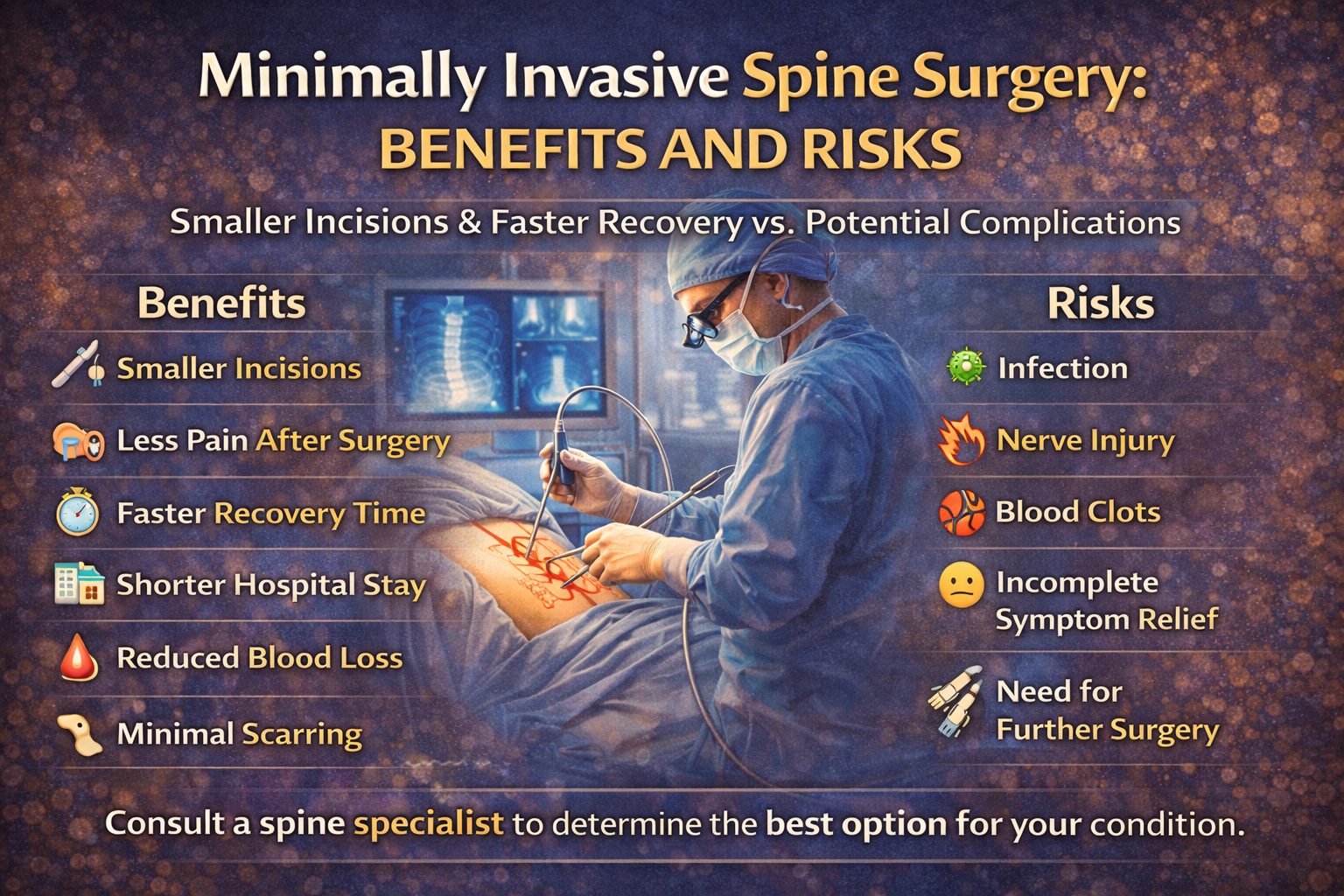
Back and spine problems are becoming increasingly common due to sedentary lifestyles, poor posture, injuries, and age-related degeneration. In the past, traditional open spine surgery was the primary treatment for severe spinal conditions. However, medical technology has advanced significantly, and minimally invasive spine surgery (MISS) has become a preferred option for many patients.
This modern surgical technique allows doctors to treat spinal conditions with smaller incisions, less tissue damage, and faster recovery compared to traditional surgery. In this article, we will explore what minimally invasive spine surgery is, its benefits, potential risks, and who may benefit from it.
What Is Minimally Invasive Spine Surgery?
Minimally invasive spine surgery is a surgical technique that uses small incisions and specialized instruments to treat spinal problems. Instead of making a large cut to access the spine, surgeons use advanced imaging technology and tiny surgical tools to perform the procedure through small openings.
This approach reduces damage to surrounding muscles and tissues, which often leads to less pain and quicker healing.
Doctors commonly use minimally invasive surgery to treat conditions such as:
-
Herniated discs
-
Spinal stenosis
-
Degenerative disc disease
-
Spinal fractures
-
Scoliosis
-
Nerve compression
How Minimally Invasive Spine Surgery Works
During the procedure, the surgeon makes small incisions in the back and inserts a thin tube called a retractor. This tube gently moves muscles aside instead of cutting them.
Specialized instruments and a tiny camera help the surgeon view the surgical area clearly. Advanced imaging tools such as X-rays or navigation systems guide the surgeon throughout the procedure.
Because the surgery is performed through small openings, the surrounding tissues experience minimal damage.
Benefits of Minimally Invasive Spine Surgery
Minimally invasive spine surgery offers several advantages compared to traditional open surgery.
1. Smaller Incisions
One of the biggest advantages is that the surgery requires much smaller cuts. Smaller incisions mean less trauma to the body and a lower risk of infection.
2. Less Pain After Surgery
Since muscles and tissues are not heavily damaged, patients usually experience less postoperative pain compared to traditional surgery.
3. Faster Recovery Time
Patients who undergo minimally invasive procedures often recover much faster and may return to normal activities sooner.
4. Shorter Hospital Stay
Many minimally invasive spine surgeries allow patients to go home the same day or within 24 hours, reducing hospital stay and medical costs.
5. Reduced Blood Loss
Smaller incisions and less tissue damage typically result in less bleeding during surgery.
6. Minimal Scarring
Because the incisions are small, patients often have smaller scars compared to traditional spine surgery.
Risks of Minimally Invasive Spine Surgery
Although minimally invasive spine surgery offers many benefits, it still carries some risks, just like any surgical procedure.
1. Infection
Even with small incisions, there is still a small risk of infection at the surgical site.
2. Nerve Injury
Because the spine contains delicate nerves, there is a slight risk of nerve damage during surgery.
3. Blood Clots
Some patients may develop blood clots after surgery, although this is relatively rare.
4. Incomplete Symptom Relief
In some cases, surgery may not fully relieve symptoms, and additional treatment may be needed.
5. Need for Further Surgery
Certain complex spinal conditions may require additional procedures if the first surgery does not completely solve the problem.
Who Is a Good Candidate for Minimally Invasive Spine Surgery?
Not every patient with back pain requires surgery. Doctors typically recommend minimally invasive spine surgery when:
-
Conservative treatments like medications or physical therapy fail
-
Pain significantly affects daily life
-
Nerve compression causes weakness or numbness
-
Spinal instability or structural problems are present
A spine specialist will evaluate the patient’s condition through imaging tests such as MRI or CT scans to determine whether minimally invasive surgery is appropriate.
Recovery After Minimally Invasive Spine Surgery
Recovery is generally quicker than traditional surgery, but proper care is still important. Patients are usually advised to:
-
Walk regularly to improve circulation
-
Avoid heavy lifting for several weeks
-
Attend physical therapy sessions if recommended
-
Follow the doctor’s postoperative instructions carefully
Most patients can return to normal daily activities within a few weeks, depending on the procedure and individual health.
Conclusion
Minimally invasive spine surgery has transformed the way many spinal conditions are treated. With smaller incisions, faster recovery, and reduced pain, this modern technique offers significant benefits for many patients. However, like any surgical procedure, it also carries certain risks and may not be suitable for everyone.
If you are experiencing persistent back or spinal problems, consulting a qualified spine specialist or neurosurgeon can help determine the best treatment option for your condition.
-
