
Brain diseases can affect a person’s memory, movement, behavior, emotions, and overall quality of life. From common neurological conditions such as migraines and epilepsy to more serious disorders like stroke, Parkinson’s disease, Alzheimer’s disease, and brain tumors, early diagnosis and proper treatment are essential for achieving the best possible outcomes. If you have been searching for brain disease treatment near me, understanding how these conditions are diagnosed and treated can help you make informed healthcare decisions.
Advancements in medical technology have significantly improved the ability of neurologists and neurospecialists to identify brain disorders at an early stage. Accurate diagnosis allows healthcare providers to develop personalized treatment plans that address symptoms, slow disease progression, and improve overall well-being.
Understanding Brain Diseases
Brain diseases are medical conditions that affect the structure, function, or health of the brain. These conditions may develop due to genetic factors, aging, infections, trauma, blood vessel abnormalities, autoimmune disorders, or other underlying health issues.
Common brain diseases include:
- Stroke
- Brain tumors
- Epilepsy
- Alzheimer’s disease
- Parkinson’s disease
- Multiple sclerosis
- Meningitis
- Encephalitis
- Traumatic brain injuries
Because symptoms can vary widely depending on the condition, professional evaluation is important whenever neurological symptoms persist or worsen.
Common Symptoms of Brain Disorders
Many brain diseases share similar warning signs. Seeking medical attention early can help prevent complications and improve treatment success.
Symptoms may include:
- Persistent headaches
- Memory loss
- Difficulty concentrating
- Seizures
- Dizziness
- Loss of balance
- Vision changes
- Speech difficulties
- Numbness or weakness
- Tremors
- Personality or behavioral changes
Individuals experiencing these symptoms should consult a healthcare professional specializing in brain disease treatment near me for a comprehensive evaluation.
How Brain Diseases Are Diagnosed
Diagnosing brain diseases involves a detailed assessment of symptoms, medical history, physical examinations, and advanced diagnostic testing. Neurologists use several tools and procedures to identify the exact cause of neurological symptoms.
Medical History and Neurological Examination
The diagnostic process usually begins with a thorough review of the patient’s medical history. The neurologist will ask about symptoms, family history, previous illnesses, medications, and lifestyle factors.
A neurological examination helps evaluate:
- Reflexes
- Muscle strength
- Coordination
- Balance
- Sensory function
- Cognitive abilities
- Speech and language skills
These assessments provide valuable information about how the nervous system is functioning.
Magnetic Resonance Imaging (MRI)
MRI is one of the most commonly used imaging techniques for diagnosing brain diseases. It produces highly detailed images of brain structures and helps detect abnormalities such as tumors, strokes, inflammation, and multiple sclerosis.
Computed Tomography (CT) Scan
CT scans provide cross-sectional images of the brain and are often used in emergency situations to identify bleeding, trauma, or stroke-related damage.
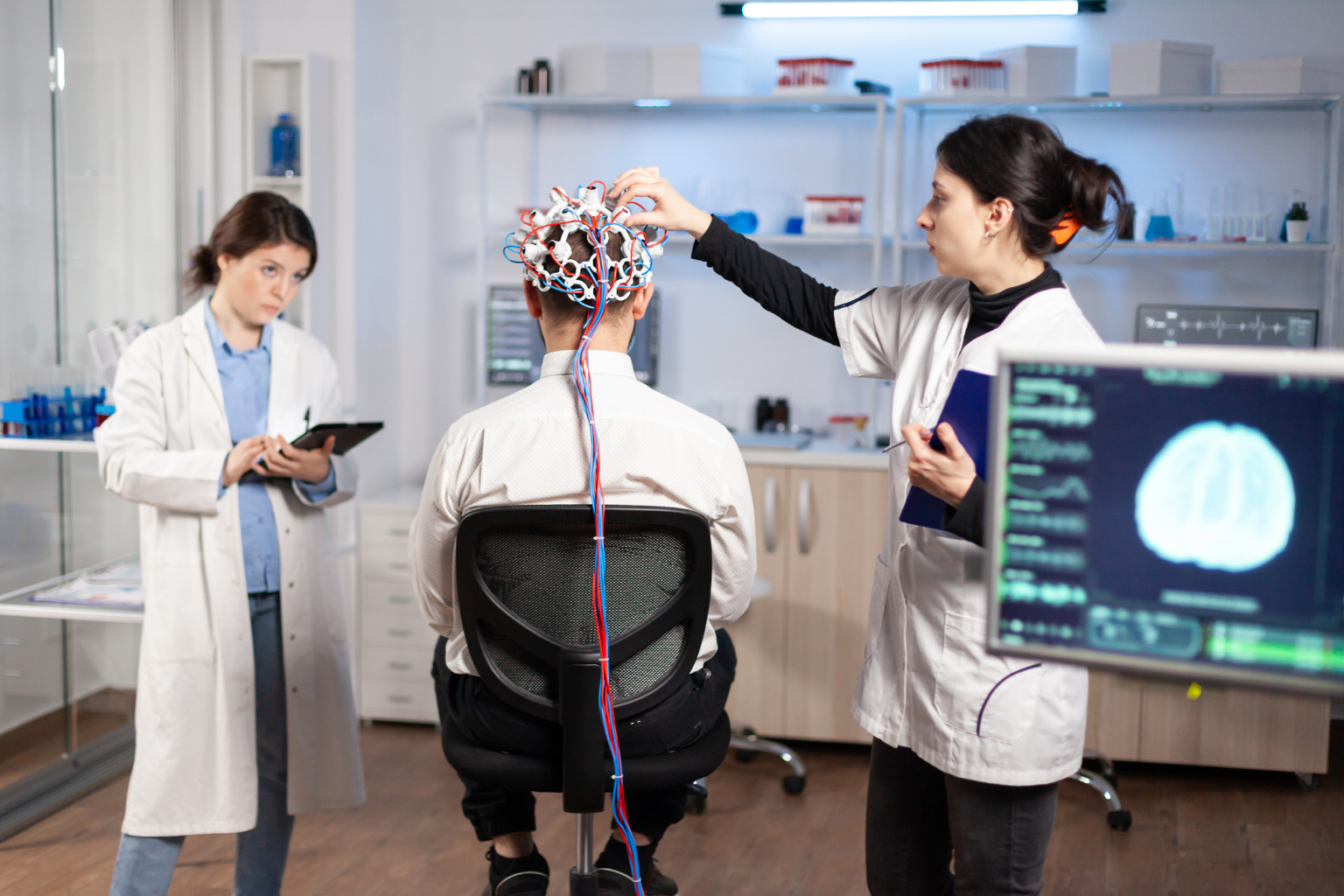
Electroencephalogram (EEG)
An EEG records electrical activity in the brain and is commonly used to diagnose epilepsy and seizure disorders.
Blood Tests
Laboratory testing can help identify infections, autoimmune diseases, vitamin deficiencies, metabolic disorders, and other factors contributing to neurological symptoms.
Nerve and Cognitive Testing
Additional tests may be recommended to assess memory, concentration, nerve function, and overall neurological health.
Treatment Options for Brain Diseases
Treatment depends on the specific diagnosis, severity of symptoms, and the patient’s overall health condition. Modern medicine offers a variety of treatment approaches that can effectively manage many neurological disorders.
Medication Therapy
Many brain diseases can be treated or managed with medication. Neurologists prescribe medications based on the underlying condition.
Examples include:
- Anti-seizure medications for epilepsy
- Blood thinners for stroke prevention
- Medications for Parkinson’s disease
- Migraine treatments
- Memory-enhancing drugs for Alzheimer’s disease
- Anti-inflammatory medications for certain neurological conditions
Medication therapy often plays a central role in controlling symptoms and preventing disease progression.
Rehabilitation Therapy
Rehabilitation is an important part of treatment for patients recovering from stroke, brain injury, or neurological diseases.
Rehabilitation services may include:
Physical Therapy
Helps improve strength, mobility, balance, and coordination.
Occupational Therapy
Assists patients in regaining independence and performing daily activities.
Speech Therapy
Supports communication and swallowing functions that may be affected by neurological disorders.
Surgical Treatment
Certain brain diseases may require surgical intervention. Neurosurgeons perform procedures to treat conditions such as:
- Brain tumors
- Brain aneurysms
- Hydrocephalus
- Severe epilepsy
- Traumatic brain injuries
Modern surgical techniques are often minimally invasive, reducing recovery time and improving outcomes.
Advanced Neurological Treatments
Recent advances in neurology have introduced innovative treatment options that offer greater precision and effectiveness.
These may include:
- Deep brain stimulation
- Stereotactic radiosurgery
- Neurostimulation therapies
- Targeted drug therapies
- Minimally invasive neurosurgical procedures
These treatments can significantly improve symptom control and quality of life for patients with complex neurological disorders.
Importance of Early Diagnosis and Treatment
One of the most important factors in managing brain diseases is early detection. Delaying medical evaluation can allow conditions to progress, making treatment more challenging.
Early diagnosis provides several benefits:
- More treatment options
- Better symptom management
- Reduced risk of complications
- Slower disease progression
- Improved long-term outcomes
If you are experiencing persistent neurological symptoms, searching for brain disease treatment near me and consulting a qualified specialist can help ensure timely care.
Choosing the Right Specialist
Selecting an experienced neurologist or neurospecialist is crucial for accurate diagnosis and effective treatment. Consider factors such as:
- Qualifications and experience
- Access to advanced diagnostic technology
- Patient reviews
- Hospital affiliations
- Personalized treatment approach
A skilled healthcare provider will work closely with you to develop a treatment plan tailored to your specific condition and needs.
Conclusion
Understanding how brain diseases are diagnosed and treated can help patients take proactive steps toward better neurological health. Modern diagnostic tools and advanced treatment options have greatly improved the ability to manage a wide range of brain disorders. Whether dealing with stroke, epilepsy, Parkinson’s disease, dementia, brain tumors, or other neurological conditions, seeking professional evaluation and timely treatment is essential. If you are searching for brain disease treatment near me, consulting an experienced specialist can provide the expert care, accurate diagnosis, and personalized treatment needed to achieve the best possible outcomes and improve quality of life.
