
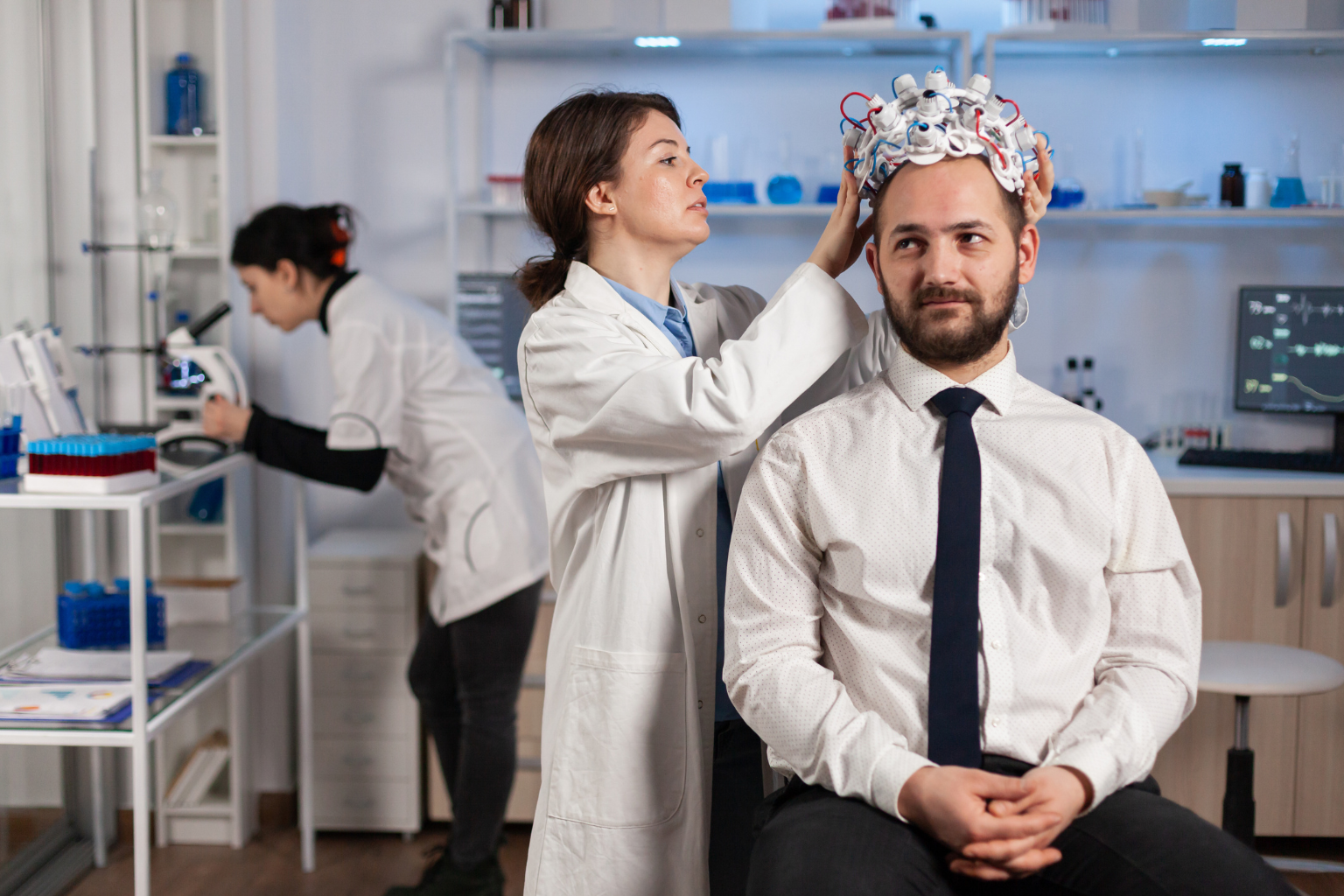
Brain diseases can significantly impact a person’s physical, mental, and emotional well-being. Conditions affecting the brain often require specialized medical care, accurate diagnosis, and personalized treatment plans to achieve the best possible outcomes. Advances in neurology and neurosurgery have made it possible to manage many neurological disorders more effectively than ever before. Whether you are consulting a neurologist in Hisar or searching for advanced neurological care, understanding the available treatment strategies can help you make informed healthcare decisions.
Brain diseases encompass a wide range of conditions, including stroke, epilepsy, Parkinson’s disease, Alzheimer’s disease, brain tumors, multiple sclerosis, and traumatic brain injuries. Each condition requires a unique approach to diagnosis and treatment, making specialized neurological care essential.
Understanding Brain Diseases
Brain diseases affect the central nervous system and can interfere with communication between the brain and the rest of the body. Symptoms vary depending on the specific condition but may include headaches, seizures, memory loss, balance problems, speech difficulties, muscle weakness, and changes in behavior.
Early diagnosis is critical because many neurological disorders can worsen over time if left untreated. Timely intervention allows healthcare providers to implement treatment strategies that can slow disease progression, manage symptoms, and improve quality of life.
Importance of Accurate Diagnosis
Before treatment begins, neurologists perform comprehensive evaluations to identify the exact cause of neurological symptoms. Diagnostic methods may include:
- Neurological examinations
- MRI scans
- CT scans
- EEG testing
- Nerve conduction studies
- Blood tests
- Cognitive assessments
An experienced neurologist in Hisar can use these diagnostic tools to develop a precise diagnosis and recommend the most effective treatment plan.
Medication-Based Treatment
For many brain diseases, medications are the first line of treatment. Prescription drugs can help manage symptoms, reduce complications, and improve daily functioning.
Common medication treatments include:
Epilepsy Management
Anti-seizure medications help control abnormal electrical activity in the brain and reduce seizure frequency.
Parkinson’s Disease Treatment
Medications can help regulate dopamine levels and improve movement-related symptoms.
Stroke Prevention
Blood-thinning medications and cholesterol-lowering drugs may help reduce the risk of future strokes.
Alzheimer’s Disease Management
Certain medications may temporarily improve memory and cognitive function while slowing disease progression.
Regular monitoring by a neurologist ensures that medications remain effective and side effects are properly managed.
Rehabilitation Therapy
Rehabilitation is an important component of neurological treatment. Many patients recovering from stroke, traumatic brain injury, or neurological disorders benefit from structured rehabilitation programs.
Physical Therapy
Physical therapy helps improve mobility, strength, balance, and coordination. It is especially beneficial for stroke survivors and patients with movement disorders.
Occupational Therapy
Occupational therapists help patients regain independence in daily activities such as dressing, eating, and personal care.
Speech and Language Therapy
Speech therapists assist patients who experience communication difficulties or swallowing problems due to neurological conditions.
Comprehensive rehabilitation often leads to better recovery outcomes and improved quality of life.
Advanced Neurosurgical Treatments
While many brain diseases can be managed without surgery, certain conditions require neurosurgical intervention. Advances in technology have made modern neurosurgery safer and more effective.
Conditions that may require surgery include:
- Brain tumors
- Brain aneurysms
- Severe epilepsy
- Hydrocephalus
- Traumatic brain injuries
Neurosurgeons use sophisticated imaging systems and minimally invasive techniques to reduce surgical risks and improve recovery times.
For patients searching for spine surgery near me, many neurosurgical specialists also provide treatment for complex spinal conditions that affect the nervous system, including herniated discs, spinal tumors, and spinal cord compression.
Deep Brain Stimulation
Deep brain stimulation (DBS) is an advanced treatment option used for certain neurological disorders, particularly Parkinson’s disease and essential tremor.
The procedure involves implanting electrodes in specific areas of the brain to regulate abnormal nerve activity. DBS can significantly improve symptoms and enhance quality of life for suitable patients.
Lifestyle-Based Treatment Strategies
Medical treatment is often combined with lifestyle modifications to support long-term brain health.
Healthy Diet
A balanced diet rich in fruits, vegetables, whole grains, healthy fats, and lean proteins supports optimal brain function.
Regular Exercise
Physical activity improves blood circulation, reduces inflammation, and supports cognitive health.
Quality Sleep
Adequate sleep is essential for memory, concentration, and overall neurological function.
Stress Management
Chronic stress can negatively affect brain health. Relaxation techniques such as meditation, yoga, and mindfulness may help reduce stress levels.
Avoiding Harmful Habits
Limiting alcohol consumption and avoiding tobacco products can lower the risk of certain neurological disorders.
Importance of Ongoing Monitoring
Many brain diseases are chronic conditions that require long-term management. Regular follow-up appointments allow neurologists to:
- Monitor disease progression
- Adjust medications
- Evaluate treatment effectiveness
- Address new symptoms
- Prevent complications
Patients who maintain consistent medical care often experience better outcomes and improved symptom control.
Choosing the Right Neurological Specialist
Selecting an experienced healthcare provider is an important part of successful treatment. When looking for a neurologist in Hisar, consider factors such as:
- Professional qualifications
- Experience treating neurological disorders
- Access to advanced diagnostic technology
- Patient reviews and testimonials
- Personalized treatment approach
Working with a skilled neurologist ensures that patients receive comprehensive care tailored to their individual needs.
Conclusion
Effective treatment strategies for brain diseases involve a combination of accurate diagnosis, medication management, rehabilitation therapy, advanced medical procedures, and healthy lifestyle choices. Modern neurological care offers a wide range of options that can help patients manage symptoms, slow disease progression, and improve overall quality of life. Whether you are consulting a neurologist in Hisar for neurological symptoms or exploring specialized treatments for brain and spinal conditions, early intervention and expert care remain the keys to achieving the best possible outcomes.
