
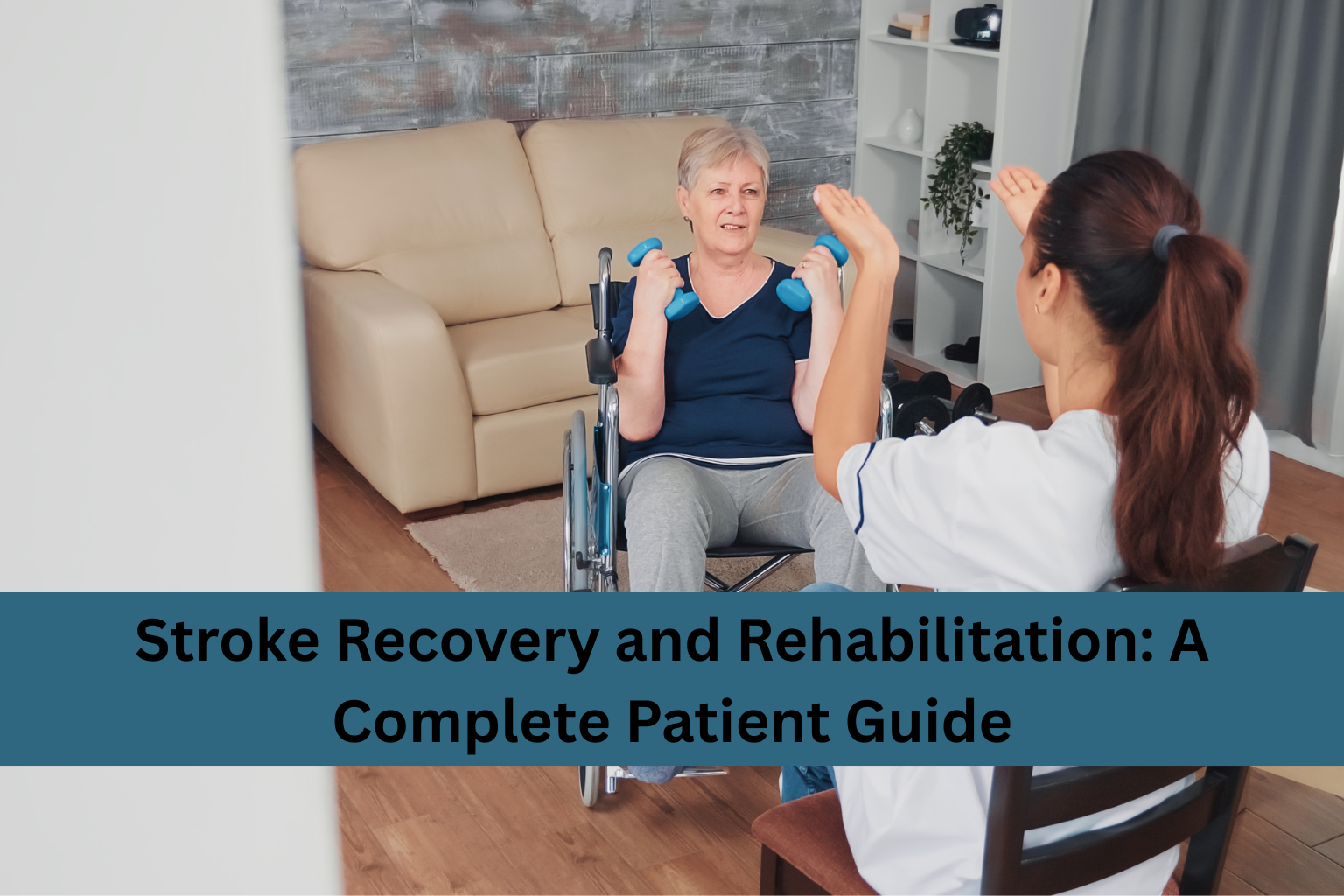
A stroke is a life-changing medical emergency that occurs when blood flow to a part of the brain is interrupted or reduced, depriving brain tissue of oxygen and nutrients. While immediate medical treatment is critical, the journey does not end after the stroke is treated. Recovery and rehabilitation play a vital role in helping patients regain independence, improve quality of life, and prevent future complications.
If you or a loved one has experienced a stroke, understanding the recovery process can make a significant difference. Consulting an experienced neurologist in Hisar can help ensure proper treatment, rehabilitation planning, and long-term care.
Understanding Stroke Recovery
Every stroke patient recovers differently. The extent of recovery depends on several factors, including the severity of the stroke, the area of the brain affected, the patient’s age, overall health, and how quickly treatment was received.
Recovery often begins within days of the stroke and may continue for months or even years. The brain has a remarkable ability to adapt and create new pathways, a process known as neuroplasticity. Through consistent rehabilitation and medical guidance, many patients can regain lost functions and improve their daily lives.
Common Challenges After a Stroke
Stroke survivors may experience a variety of physical, cognitive, and emotional difficulties, including:
- Weakness or paralysis on one side of the body
- Difficulty speaking or understanding language
- Memory and concentration problems
- Difficulty swallowing
- Balance and coordination issues
- Vision problems
- Depression, anxiety, and mood changes
These challenges can vary from person to person, which is why personalized rehabilitation programs are essential.
The Importance of Early Rehabilitation
Research shows that rehabilitation is most effective when started as early as possible. Rehabilitation helps patients relearn skills, strengthen muscles, and regain independence in daily activities.
A qualified best neurologist in Hisar can assess the patient’s condition and recommend a rehabilitation plan tailored to their specific needs. Early intervention can significantly improve recovery outcomes and reduce long-term disability.
Key Components of Stroke Rehabilitation
Physical Therapy
Physical therapy focuses on improving movement, strength, flexibility, and balance. Therapists work with patients to restore mobility and help them perform everyday activities such as walking, standing, and climbing stairs.
Regular exercises can help reduce muscle stiffness and improve overall physical function.
Occupational Therapy
Occupational therapy helps patients regain the ability to perform daily tasks such as dressing, bathing, cooking, and writing. Therapists may also recommend adaptive equipment to make daily life easier and safer.
Speech and Language Therapy
Many stroke patients experience speech or communication difficulties. Speech therapists help patients improve speaking, understanding, reading, and writing skills. They also assist patients who have difficulty swallowing.
Cognitive Rehabilitation
Cognitive therapy focuses on improving memory, attention, problem-solving abilities, and decision-making skills. This form of rehabilitation is particularly beneficial for patients experiencing cognitive changes after a stroke.
Emotional and Psychological Support
The emotional impact of a stroke can be overwhelming. Feelings of frustration, anxiety, depression, and fear are common among stroke survivors. Counseling, support groups, and family involvement can play a crucial role in emotional recovery.
Lifestyle Changes for Better Recovery
Recovery extends beyond therapy sessions. Adopting healthy lifestyle habits can improve overall health and reduce the risk of future strokes.
Maintain a Healthy Diet
A balanced diet rich in fruits, vegetables, whole grains, lean proteins, and healthy fats supports brain health and cardiovascular function. Limiting salt, sugar, and processed foods is also recommended.
Stay Physically Active
Regular physical activity improves circulation, strengthens muscles, and enhances overall well-being. Patients should follow exercise recommendations provided by their healthcare team.
Manage Blood Pressure
High blood pressure is one of the leading causes of stroke. Regular monitoring and proper medication management are essential.
Quit Smoking and Limit Alcohol
Smoking damages blood vessels and increases stroke risk. Limiting alcohol consumption can also help prevent complications and support recovery.
Follow Medical Advice
Taking prescribed medications consistently and attending follow-up appointments with a neurologist in Hisar can help monitor progress and prevent recurrent strokes.
Preventing Future Strokes
After experiencing a stroke, preventing another one becomes a top priority. Patients should work closely with their healthcare providers to manage risk factors such as:
- High blood pressure
- Diabetes
- High cholesterol
- Heart disease
- Obesity
- Smoking
Regular health checkups, medication adherence, and lifestyle modifications are key components of stroke prevention.
When to Consult a Neurologist
It is important to seek immediate medical attention if you experience symptoms such as sudden weakness, facial drooping, speech difficulties, vision problems, severe headache, or loss of balance.
For stroke survivors, ongoing care from the best neurologist in Hisar can provide valuable support throughout the recovery journey. Neurologists can evaluate neurological function, adjust treatment plans, monitor progress, and recommend advanced rehabilitation strategies when needed.
Conclusion
Stroke recovery is a gradual process that requires patience, commitment, and professional support. While every patient’s journey is unique, early rehabilitation, proper medical care, and healthy lifestyle changes can significantly improve recovery outcomes.
Working with an experienced neurologist in Hisar ensures that patients receive comprehensive care tailored to their individual needs. Whether you are recovering from a recent stroke or supporting a loved one through rehabilitation, the right guidance and treatment can help restore independence and improve quality of life.
If you are searching for the best neurologist in Hisar, choosing a specialist with expertise in stroke management and neurological rehabilitation can make a meaningful difference in your recovery journey.
