
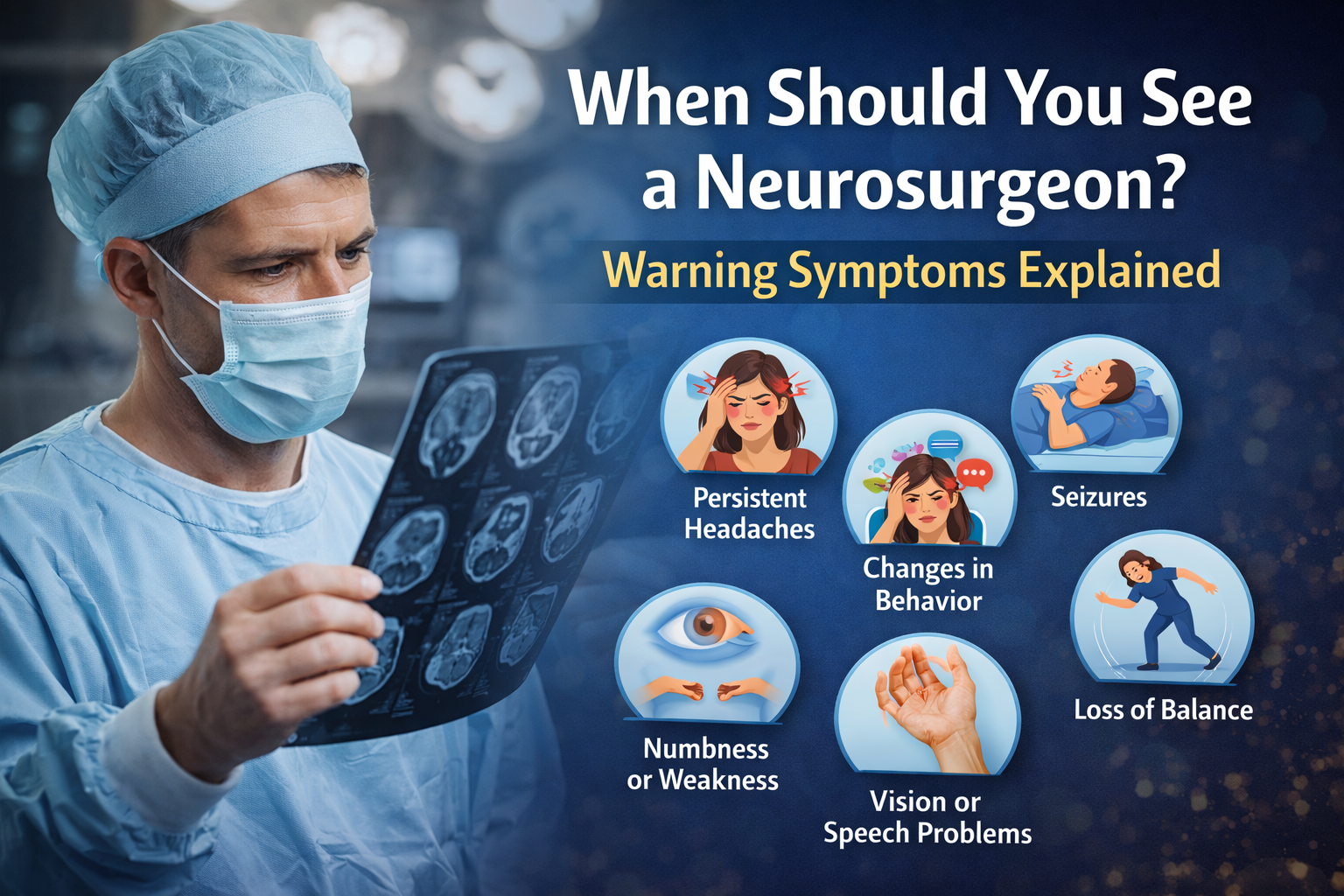
Our brain and spine control everything we do — from walking and speaking to thinking and feeling. Yet many of us ignore warning signs that could point to serious neurological problems. A common question people ask is: When should we actually see a neurosurgeon? Not every headache or back pain requires surgery, but certain symptoms act like red flags. Recognizing them early can make a life-changing difference.
Let’s break down the warning symptoms that should never be ignored.
Understanding the Role of a Neurosurgeon
A neurosurgeon specializes in diagnosing and treating conditions affecting the brain, spine, and nervous system. Contrary to popular belief, seeing a neurosurgeon doesn’t always mean surgery is required. In many cases, they help manage conditions with non-surgical treatments first.
We should think of a neurosurgeon as a specialist navigator for complex neurological problems. When symptoms persist or worsen, their expertise becomes essential.
Persistent or Severe Headaches
Occasional headaches are common. But persistent headaches that are unusual in intensity or frequency deserve attention.
Warning signs include:
-
Headaches that worsen over time
-
Pain that wakes us from sleep
-
Headaches accompanied by nausea or vision changes
-
Sudden, severe “worst-ever” headaches
These symptoms could signal pressure inside the skull, tumors, or vascular problems. If headaches feel different from our normal pattern, consulting a neurosurgeon is wise.
Chronic Neck or Back Pain
Back pain is one of the most common health complaints worldwide. However, when pain becomes chronic or radiates to the arms or legs, it may indicate nerve compression or spinal disorders.
We should seek evaluation if we experience:
-
Pain lasting more than a few weeks
-
Numbness or tingling in limbs
-
Weakness in arms or legs
-
Difficulty standing or walking
Spinal disc problems or nerve impingement often require specialist assessment.
Numbness or Weakness in the Body
Sudden or progressive numbness can feel like pins and needles or reduced sensation. Weakness that affects daily activities — such as difficulty lifting objects or walking steadily — is a serious concern.
These symptoms may suggest nerve damage, spinal cord compression, or brain disorders. Early intervention can prevent permanent complications.
Seizures Without Prior History
A seizure is never something to ignore. Even a single unexplained seizure in adulthood requires urgent neurological evaluation.
Seizures may appear as:
-
Uncontrolled shaking
-
Sudden confusion
-
Loss of consciousness
-
Brief staring spells
They can indicate tumors, infections, or abnormal electrical activity in the brain.
Vision or Speech Problems
The brain controls both vision and communication. Sudden changes in eyesight or speech can point to neurological disturbances.
Watch for:
-
Blurred or double vision
-
Loss of vision in one eye
-
Slurred speech
-
Difficulty finding words
These signs could be related to strokes or brain lesions and need immediate medical attention.
Loss of Balance or Coordination
If walking feels unstable or coordination suddenly worsens, the cerebellum or spinal cord may be involved.
We should seek help if we notice:
-
Frequent falls
-
Dizziness or vertigo
-
Trouble maintaining balance
-
Clumsiness with hand movements
These symptoms often indicate neurological dysfunction that requires expert care.
Behavioral or Personality Changes
Subtle shifts in mood or personality can sometimes reflect brain abnormalities. Family members often notice these changes first.
Warning signs include:
-
Sudden mood swings
-
Memory problems
-
Confusion or poor judgment
-
Changes in behavior or temperament
These symptoms can be early indicators of brain tumors or degenerative conditions.
Symptoms After Head or Spine Injury
Any significant injury to the head or spine should be evaluated carefully. Even if symptoms appear mild initially, complications can develop later.
Seek urgent care if there is:
-
Loss of consciousness
-
Persistent headache after injury
-
Vomiting or confusion
-
Weakness or numbness
Prompt neurosurgical assessment can prevent serious consequences.
When Symptoms Become an Emergency
Some neurological symptoms require immediate emergency attention rather than a routine appointment.
Call emergency services if we experience:
-
Sudden paralysis
-
Severe head trauma
-
Loss of consciousness
-
Signs of stroke (face drooping, arm weakness, speech difficulty)
In emergencies, every minute counts.
Diagnostic Tests a Neurosurgeon May Recommend
When we visit a neurosurgeon, they may suggest tests to understand the problem clearly.
Common diagnostic tools include:
-
MRI and CT scans
-
Neurological examinations
-
Electromyography (EMG)
-
Blood tests or biopsies
These tests help create a precise treatment plan.
Early Consultation Can Prevent Complications
Many people delay seeking help out of fear of surgery. But early consultation often leads to simpler treatments and better outcomes.
Think of neurological symptoms like warning lights on a car dashboard. Ignoring them doesn’t make the problem disappear — it often makes it worse.
Conclusion
Knowing when to see a neurosurgeon can protect our long-term health. Persistent headaches, chronic back pain, seizures, numbness, and sudden neurological changes are not symptoms we should ignore. Early evaluation allows timely diagnosis and effective treatment.
Our nervous system is the command center of the body. Listening to its warning signals is one of the smartest health decisions we can make.
FAQs
1. Do all neurological symptoms require surgery?
No. Many conditions are treated with medication or therapy. Surgery is considered only when necessary.
2. Should we see a neurosurgeon or neurologist first?
A neurologist handles non-surgical care, while a neurosurgeon treats structural issues. Severe or persistent symptoms may require neurosurgical evaluation.
3. How urgent is it to see a neurosurgeon for chronic pain?
If pain is worsening or causing weakness or numbness, early consultation is important.
4. Can lifestyle changes reduce neurological risks?
Yes. Regular exercise, a healthy diet, and stress management support brain and spine health.
5. What should we bring to a neurosurgeon appointment?
Medical records, imaging reports, medication lists, and a detailed symptom history are helpful.
