
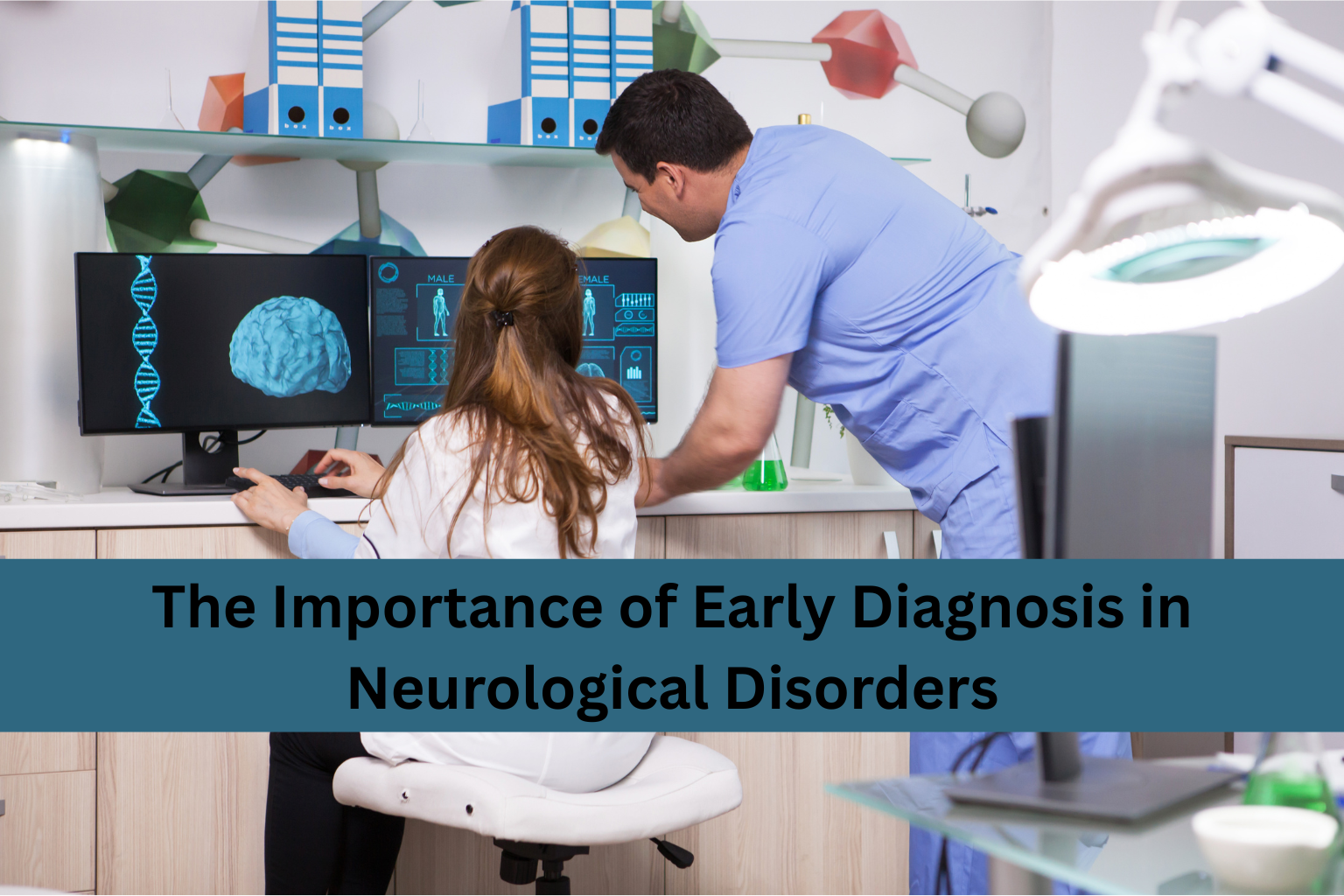
Neurological disorders affect millions of people worldwide and can significantly impact a person’s quality of life. These conditions involve the brain, spinal cord, nerves, and muscles, often causing symptoms that interfere with daily activities. One of the most critical factors in managing neurological disorders is early diagnosis. Identifying a neurological condition in its early stages can lead to timely treatment, better outcomes, and improved long-term health.
Many neurological disorders develop gradually, and their symptoms may be mistaken for common health issues. As a result, patients often delay seeking medical attention until the condition becomes more severe. Consulting the best neurologist in Hisar at the first sign of neurological symptoms can help ensure accurate diagnosis and effective treatment.
What Are Neurological Disorders?
Neurological disorders are conditions that affect the nervous system. They can range from relatively common problems such as migraines and nerve pain to more complex conditions like stroke, epilepsy, Parkinson’s disease, brain tumors, and spinal cord disorders.
Some neurological conditions progress slowly over time, while others may occur suddenly and require immediate medical intervention. Early recognition of symptoms is essential to prevent complications and improve recovery chances.
Why Early Diagnosis Matters
The nervous system controls nearly every function in the body, including movement, sensation, memory, speech, and coordination. When a neurological disorder goes undiagnosed, it can cause permanent damage that may become difficult or impossible to reverse.
Early diagnosis offers several important benefits:
Better Treatment Outcomes
Many neurological conditions respond more effectively to treatment when identified early. Medications, therapies, and surgical interventions can slow disease progression, reduce symptoms, and improve overall quality of life.
Prevention of Complications
Conditions such as stroke, brain tumors, and spinal disorders can lead to severe complications if left untreated. Early medical evaluation allows doctors to address the problem before it causes permanent neurological damage.
Improved Recovery
Patients diagnosed early often experience better recovery rates because treatment can begin before significant damage occurs. Rehabilitation therapies are also more effective when started promptly.
Reduced Healthcare Costs
Treating advanced neurological disorders often requires extensive medical care, hospitalization, and long-term rehabilitation. Early diagnosis can reduce treatment complexity and associated healthcare expenses.
Common Warning Signs of Neurological Disorders
Recognizing the early symptoms of neurological conditions can help patients seek timely medical attention. Some common warning signs include:
- Persistent or severe headaches
- Sudden weakness or numbness
- Dizziness and balance problems
- Memory loss or confusion
- Seizures
- Difficulty speaking or understanding speech
- Vision disturbances
- Chronic neck or back pain
- Tremors or involuntary movements
- Loss of coordination
If any of these symptoms persist or worsen, consulting the best neurologist in Hisar is highly recommended.
Neurological Conditions That Benefit from Early Diagnosis
Stroke
Stroke is a medical emergency that occurs when blood flow to the brain is interrupted. Early diagnosis and treatment can significantly reduce brain damage and improve recovery outcomes. Immediate medical attention can often save lives and prevent long-term disability.
Brain Tumors
Brain tumors may initially cause subtle symptoms such as headaches, vision problems, or personality changes. Early detection allows for timely treatment and increases the chances of successful management.
Parkinson’s Disease
Parkinson’s disease is a progressive neurological condition that affects movement. Early diagnosis enables patients to begin treatment strategies that help manage symptoms and maintain independence.
Epilepsy
Patients with epilepsy experience recurrent seizures that can affect safety and quality of life. Early diagnosis helps establish an effective treatment plan and reduces the risk of future complications.
Spinal Disorders
Conditions affecting the spine, such as herniated discs, spinal tumors, and spinal cord compression, often require specialized care. A skilled neurosurgeon in Hisar can diagnose and treat these conditions before they lead to permanent nerve damage.
Advanced Diagnostic Technologies
Modern neurological care relies on advanced diagnostic tools that help doctors identify conditions accurately and efficiently. These may include:
- MRI (Magnetic Resonance Imaging)
- CT Scan
- EEG (Electroencephalogram)
- EMG (Electromyography)
- Nerve Conduction Studies
- Brain and Spine Imaging
These technologies allow specialists to detect abnormalities at an early stage and develop personalized treatment plans for patients.
The Role of Neurologists and Neurosurgeons
Neurologists and neurosurgeons play essential roles in diagnosing and managing neurological disorders.
A neurologist specializes in evaluating and treating conditions affecting the nervous system through medications, therapies, and non-surgical approaches.
A neurosurgeon in Hisar focuses on surgical treatments for conditions involving the brain, spine, and nerves when surgery becomes necessary. Both specialists often work together to provide comprehensive care for patients.
When Should You Seek Medical Attention?
Many people ignore neurological symptoms, assuming they will disappear on their own. However, delaying medical evaluation can lead to worsening symptoms and increased health risks.
You should consult a healthcare professional if you experience:
- Frequent headaches that do not improve
- Sudden weakness or numbness
- Difficulty walking or maintaining balance
- Seizures
- Changes in memory or behavior
- Persistent neck or back pain with nerve symptoms
Prompt medical attention can make a significant difference in diagnosis, treatment success, and overall recovery.
Conclusion
Early diagnosis is one of the most important factors in successfully managing neurological disorders. Whether dealing with stroke, epilepsy, Parkinson’s disease, brain tumors, or spinal conditions, timely medical evaluation can improve treatment outcomes and help prevent serious complications.
If you notice any neurological symptoms, do not ignore them. Consulting the best neurologist in Hisar can provide the expert evaluation and treatment needed to protect your neurological health. For conditions requiring surgical intervention, an experienced neurosurgeon in Hisar can offer advanced treatment options and comprehensive care.
Taking action early can make all the difference in preserving brain health, improving quality of life, and achieving the best possible recovery.
